Two Decades and Counting: Inside the Quiet Boom of Rebuilt Iron on America's Job Sites
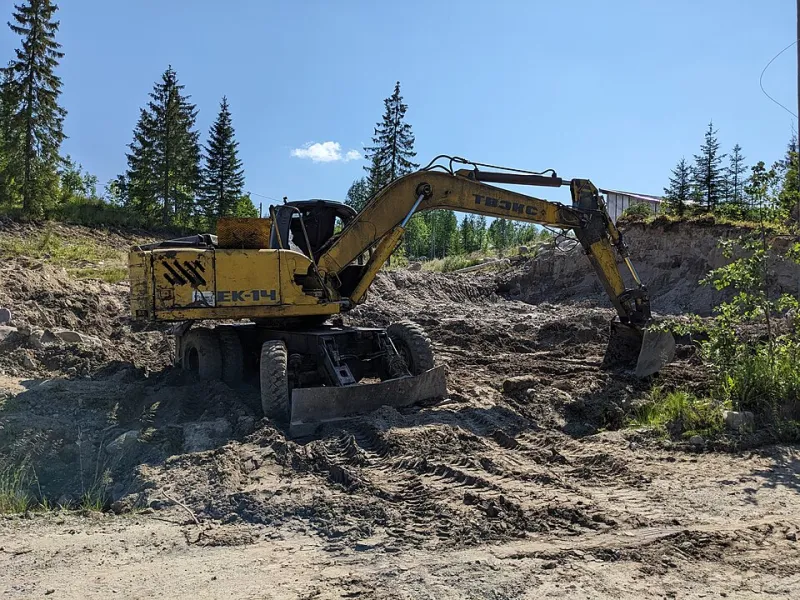
Photo: English: Andrew Krizhanovsky Русский: Андрей Крижановский, Public domain, via Wikimedia Commons
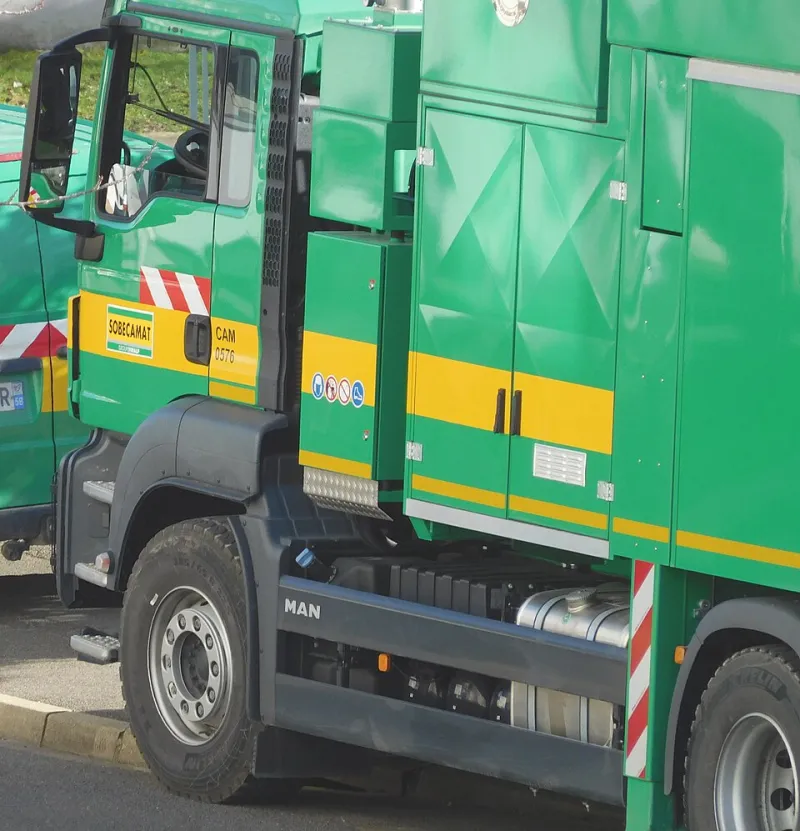
Drive past a commercial excavation project in Ohio or a grading crew in Texas and you may be watching a machine older than its operator do the heavy lifting. Wheel loaders from the early 2000s, hydraulic excavators with five-digit hour meters, articulated haul trucks that have outlived three ownership changes — these machines are no longer anomalies on American job sites. They are the backbone of a quiet but decisive shift in how mid-size contractors think about capital equipment.
The Economics That Started It
New iron has never been cheap, but the post-2020 environment changed the calculus entirely. Extended lead times on new excavators and dozers — sometimes stretching past a year — collided with price increases that routinely cleared twenty percent. For a contractor bidding fixed-price work, waiting a year for a machine that costs more than the last one is not a strategy; it is a margin leak.
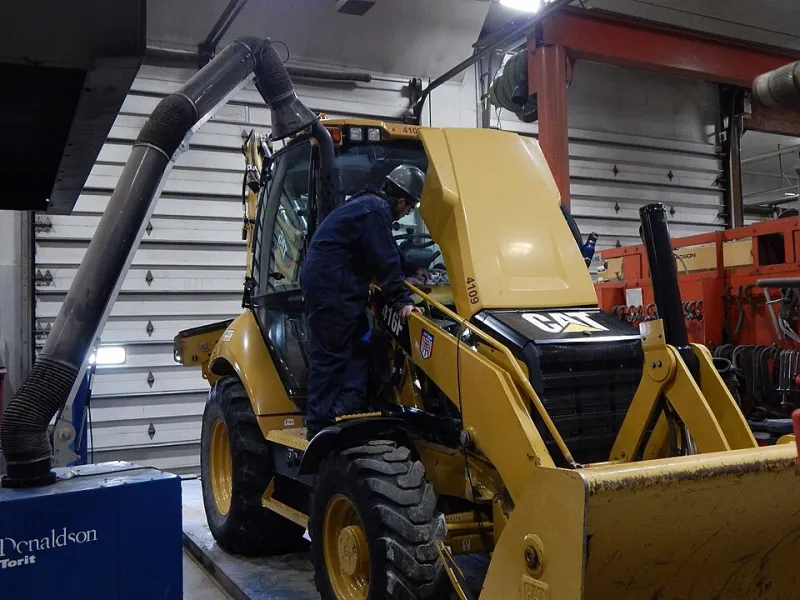
The response has been pragmatic. Rather than replacing a twenty-year-old wheel loader, operations are rebuilding it: new undercarriage, refreshed hydraulic cylinders, a remanufactured engine, updated seat and controls. The total investment often lands at fifteen to twenty-five percent of replacement cost, and the machine returns to production in weeks instead of seasons.
What a Working Gray Fleet Actually Requires
The contractors succeeding with older equipment are not simply frugal — they are disciplined. Three practices separate the profitable veterans from the ones nursing breakdowns:
- Component-level tracking. Successful operators log hydraulic pressures, fuel burn, and cycle times against baseline data. Deviation triggers inspection, not intuition.
- Scheduled fluid analysis. Oil and coolant sampling every 250 hours catches bearing wear and coolant intrusion long before a catastrophic failure.
- A standing rebuild budget. Rather than treating a major component failure as an emergency, these shops fund overhauls annually, spreading capital risk across the fleet.
The machines themselves matter less than the system around them. A 2003 excavator with disciplined maintenance will outwork a neglected 2015 model in most measurable ways.
Where the Strategy Turns Into False Economy
There is a line, and experienced operators know roughly where it sits. When structural components — the boom, the frame, the articulation joints — show cracking or elongated bores, rebuilding becomes a losing proposition. Electronics present another ceiling: legacy machines with unsupported control modules can strand an operation when a proprietary board fails and no replacement exists.
The second trap is utilization. A rebuilt machine that sits idle waiting on a hard-to-source part costs more per productive hour than a new unit with dealer support. Contractors running time-critical work — concrete pours, seasonal agricultural contracts — often cannot absorb that risk regardless of what the spreadsheet says.
A Calculated Bet, Not a Nostalgic One
The gray fleet resurgence is not sentimentality about older machines. It is a rational response to a capital market that has priced out replacement and a supply chain that cannot guarantee delivery. For mid-size contractors willing to invest in maintenance infrastructure and honest condition assessments, twenty-year-old iron remains a viable profit engine. The operators losing money are the ones who bought the strategy without buying the discipline that comes with it.