Drivetrain in Distress: How Transmission Component Shortages Are Straining Heavy Equipment Operations Across America
For fleet managers and procurement officers in U.S. manufacturing and construction, the phrase "parts on backorder" has become an unwelcome fixture of operational planning. But while shortages have touched nearly every corner of the heavy equipment parts market in recent years, few component categories have proven as persistently problematic as transmission systems and drivetrain assemblies. These are not minor consumables that can be substituted or improvised around. When a powershift transmission fails on a large articulated hauler or a torque converter gives out on a wheel loader mid-project, the machine stops — and in many cases, it stays stopped for weeks.
The reasons behind this specific bottleneck are layered, and understanding them is the first step toward protecting your operation.
Why Transmission Components Are Uniquely Vulnerable
Transmission systems for heavy equipment occupy a difficult position in the parts supply ecosystem. They are complex, precision-engineered assemblies that require specialized manufacturing capabilities — capabilities that are concentrated among a relatively small number of global producers. Unlike wear items such as filters, belts, or even certain hydraulic seals, transmission components are not broadly interchangeable across makes and models. A planetary gear set engineered for one manufacturer's 40-ton excavator cannot be adapted for a competitor's machine of equivalent capacity.
This specificity creates narrow supply pipelines. When disruption strikes — whether through raw material shortages, shipping delays, or production slowdowns at a key supplier facility — there is little slack in the system. The semiconductor shortages that cascaded through global manufacturing beginning in 2020 hit transmission control modules and electronic shift systems particularly hard, and the aftershocks have persisted well beyond the initial crisis. Meanwhile, machining capacity for heavy-duty gearing and shafting has not expanded at a pace that matches the growth in global equipment fleets.
The result is a market where lead times for critical transmission components — torque converters, planetary gear assemblies, transmission clutch packs, and output shafts — can stretch from the typical two to four weeks to anywhere from three to six months, depending on the equipment category and manufacturer.
Which Equipment Categories Face the Longest Waits
Not all heavy equipment segments are equally exposed. Based on distributor feedback and procurement data from across the U.S. market, certain categories stand out for particularly acute transmission parts availability issues.
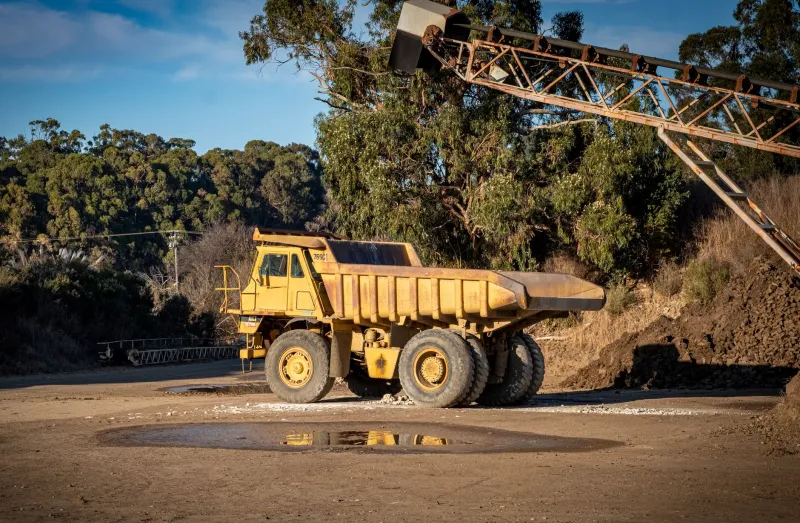
Large articulated dump trucks and rigid-frame haul trucks used in mining and large-scale earthmoving operations face some of the longest lead times. These machines run high-torque, high-cycle drivetrain systems that wear components faster than lighter equipment, and the parts themselves are manufactured in lower volumes given the smaller installed fleet sizes.
Motor graders present a similar challenge. The transmission systems in graders are mechanically demanding and highly specific to individual models. Dealers report that certain clutch pack assemblies and range gear components for popular grader lines can be among the most difficult items to source on short notice.
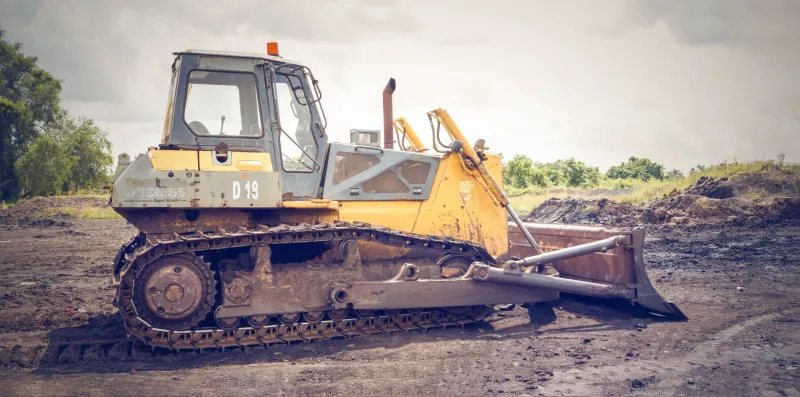
Large wheel loaders in the 5-cubic-yard-and-above class have also been flagged consistently by regional distributors as problematic. The powershift transmissions in these machines are central to productivity, and the combination of high utilization rates on job sites and limited parts availability has created a difficult situation for contractors who run these machines hard.
By contrast, compact equipment — skid steers, compact track loaders, and mini excavators — has generally fared somewhat better. The higher production volumes in those segments support a more robust aftermarket parts supply, though availability is far from guaranteed.
How Regional Distributors Are Adapting
The distributors navigating this environment most successfully are those who have moved away from reactive procurement and toward a more deliberate, data-driven stocking posture. Several strategic shifts are worth noting.
Extended forward ordering has become a necessity rather than a preference. Distributors who once placed transmission component orders on a 30- to 60-day horizon are now extending that window to six months or beyond for high-risk SKUs. This requires tying up more working capital in inventory, but the alternative — turning away customers with downed equipment — is a more costly outcome both financially and reputationally.
Direct supplier relationships are being prioritized over reliance on OEM dealer networks alone. Some regional distributors have established direct purchasing agreements with transmission remanufacturers and independent drivetrain specialists, creating parallel sourcing channels that provide options when OEM pipelines run dry. Remanufactured transmission assemblies, when sourced from reputable providers with documented rebuild processes and warranty backing, represent a legitimate and often faster alternative to new OEM components.
Demand forecasting tied to fleet data is another area where leading distributors are investing. By working more closely with their largest customers to understand equipment age, utilization hours, and historical failure patterns, distributors can anticipate which components are likely to be needed before the machine actually goes down. This kind of collaborative forecasting benefits both parties — the distributor can stock more intelligently, and the customer gains access to parts before they enter an emergency situation.
What Buyers Should Do Now
For industrial buyers and fleet operators, the transmission shortage environment demands a proactive stance. Several practical steps can materially reduce your exposure to extended downtime.
Audit your critical fleet assets. Identify the machines in your operation that, if sidelined, would cause the greatest disruption to productivity or project timelines. For each of those machines, work with your distributor to understand the lead time reality for the most failure-prone drivetrain components. This is not a theoretical exercise — it is essential risk management.
Build a strategic reserve for high-risk components. For operations that cannot tolerate prolonged downtime on key equipment, carrying a spare torque converter or clutch pack assembly is not excessive — it is prudent. The carrying cost of a spare part is almost always smaller than the cost of a multi-week equipment outage.
Evaluate remanufactured drivetrain options before you need them. Establish a relationship with a qualified transmission remanufacturer now, so that when an emergency arises, you are not starting from scratch. Vet the rebuild process, understand the warranty terms, and confirm that the remanufacturer has experience with your specific equipment makes and models.
Communicate openly with your distributor about your fleet's condition. Distributors can only stock intelligently when they understand what their customers are running and how hard they are running it. If your equipment is approaching the service intervals where transmission wear typically accelerates, share that information. A distributor who knows what is coming can prepare accordingly.
Looking Ahead
There is no near-term resolution in sight for the structural supply constraints affecting heavy equipment transmission components. Global manufacturing capacity for precision drivetrain parts is not expanding quickly, and the complexity of these supply chains means that disruptions — whether from geopolitical events, logistics bottlenecks, or raw material pricing — will continue to create periodic shortages.
For American industrial buyers, the lesson is clear: the era of just-in-time parts availability for critical drivetrain components is over, at least for the foreseeable future. The operations that will weather this environment most effectively are those that plan ahead, build strategic supplier relationships, and treat parts procurement with the same rigor they apply to equipment acquisition itself. In the current market, preparation is not overhead — it is competitive advantage.