The Silent Killer Inside Your Hydraulic System: Contamination Costs and How to Stop Them
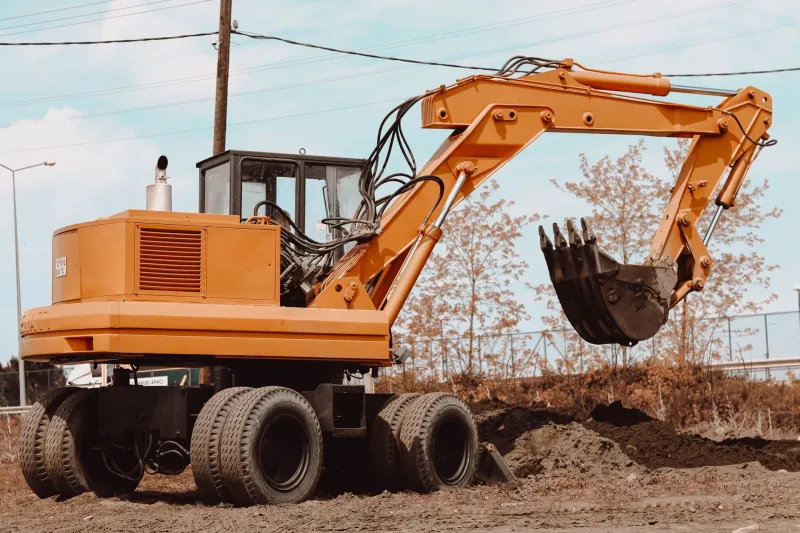
For equipment operators and fleet managers across U.S. manufacturing plants and construction sites, hydraulic systems represent some of the most capital-intensive technology on the floor or in the field. Yet one of the most destructive forces acting against those systems costs almost nothing to introduce and can take months to detect: contaminated hydraulic fluid.
Industry estimates suggest that more than 80 percent of hydraulic system failures can be traced directly to fluid contamination. Despite that staggering figure, routine fluid analysis and contamination control remain inconsistently practiced across American industrial operations. The result is a steady drain on maintenance budgets — one that rarely appears as a single dramatic line item but accumulates in pump replacements, valve repairs, cylinder rebuilds, and unplanned downtime.
Where Contamination Enters the System
Contamination is not a single event. It is a continuous process driven by the operating environment, maintenance habits, and equipment age. Understanding the entry points is essential before any prevention strategy can be meaningful.
Particulate contamination is the most common category. Metal particles shed from worn internal components — pump vanes, gear teeth, cylinder walls — circulate through the fluid and accelerate wear on every surface they contact. Dirt and debris introduced during fluid changes or filter replacements add external particles to the mix. In construction environments, where equipment operates in dusty, abrasive conditions, even a briefly uncapped reservoir can introduce enough particulate matter to compromise system cleanliness.
Water intrusion presents a separate but equally damaging threat. Condensation inside reservoirs, leaking seals, and pressure washing near fill points are all common pathways for water to enter hydraulic fluid. Water reduces lubricity, promotes oxidation of metal components, encourages microbial growth, and can cause cavitation damage in pumps. In cold climates — common across the Midwest and Northeast — water in hydraulic fluid can freeze and cause catastrophic valve failure.
Chemical contamination occurs when incompatible fluids are mixed, when fluid degrades due to excessive heat, or when cleaning solvents are inadvertently introduced. This form of contamination is particularly insidious because it alters fluid viscosity and additive chemistry in ways that accelerate internal corrosion without producing visible particles.
The Real Financial Impact
Putting a dollar figure on hydraulic contamination damage requires looking beyond the repair invoice. A rebuilt hydraulic pump on a mid-size excavator or industrial press can cost between $3,500 and $8,000 in parts alone, with labor adding significantly to that total. Cylinder rod seal replacements, directional control valve rebuilds, and cooler cleanouts each represent additional expenses that compound quickly in a contaminated system.
But the direct repair costs tell only part of the story. Equipment downtime in manufacturing environments carries an average cost of $260,000 per hour according to industry research — a figure that makes even a four-hour hydraulic repair an extraordinarily expensive event when lost production is factored in. In construction, project delays triggered by equipment failure can trigger contractual penalties and labor idling costs that dwarf the mechanical repair bill itself.
Over the lifecycle of a single piece of heavy equipment, inadequate contamination control has been shown to reduce component service life by 30 to 50 percent. For a $400,000 excavator or a $250,000 industrial hydraulic press, that translates to tens of thousands of dollars in accelerated depreciation and premature replacement.
Establishing a Contamination Control Protocol
The encouraging reality is that hydraulic fluid contamination is largely preventable. The following checklist represents a practical starting framework that equipment managers can implement immediately, regardless of fleet size or industry sector.
Fluid Sampling and Analysis
Scheduled fluid sampling is the foundation of any contamination control program. Sending fluid samples to a certified laboratory on a regular interval — typically every 250 to 500 operating hours, depending on application severity — provides quantitative data on particle counts, water content, viscosity, and additive depletion. This data allows maintenance teams to intervene before damage progresses rather than after a component fails.
Many fluid analysis programs cost less than $30 per sample. Compared to the cost of a single pump replacement, the return on investment is immediate and substantial.
Filtration Upgrades and Monitoring
Not all filtration systems are equal, and many older machines were designed to standards that no longer reflect the precision tolerances of modern hydraulic components. Upgrading to high-efficiency filters — rated at Beta 10 or better — can meaningfully reduce circulating particle counts. Equally important is monitoring filter differential pressure indicators and replacing elements on schedule rather than waiting for obvious bypass conditions.
Return-line filters and offline kidney-loop filtration units are cost-effective additions that provide continuous cleaning between scheduled maintenance intervals.
Proper Fluid Handling Procedures
A significant portion of contamination is introduced during routine maintenance. Establishing and enforcing clean fluid handling procedures — including dedicated transfer equipment, sealed storage containers, and clean fill points — eliminates a preventable contamination pathway. All new fluid should be filtered through a portable filtration unit before it enters any system, as fluid from sealed drums frequently fails cleanliness standards straight from the supplier.
Seal and Breather Inspection
Reservoir breathers and system seals are the primary barriers against environmental contamination. Breathers should be inspected and replaced at defined intervals, and their condition should be logged. Damaged or missing breathers are among the most common causes of catastrophic particulate ingression in field equipment. Cylinder rod seals and fitting connections should be included in every routine inspection cycle.
Temperature Management
Excessive heat accelerates fluid oxidation and degrades additive packages, effectively aging the fluid faster than operating hours alone would suggest. Ensuring that heat exchangers and coolers are clean and functioning correctly extends fluid service life and reduces the rate at which varnish and oxidation byproducts accumulate on valve spools and orifices.
Making the Investment Case
For equipment managers navigating tight maintenance budgets, contamination control can feel like a discretionary expenditure. The data argues otherwise. A disciplined fluid analysis and filtration program typically costs a fraction of a single unplanned component replacement — and it produces measurable extensions in equipment service intervals, reduced parts consumption, and more predictable maintenance scheduling.
For U.S. manufacturers and construction operators managing fleets under increasing cost pressure, hydraulic contamination control is not a premium maintenance practice. It is a foundational cost-reduction strategy that pays consistent dividends across the operational life of every machine in the fleet.