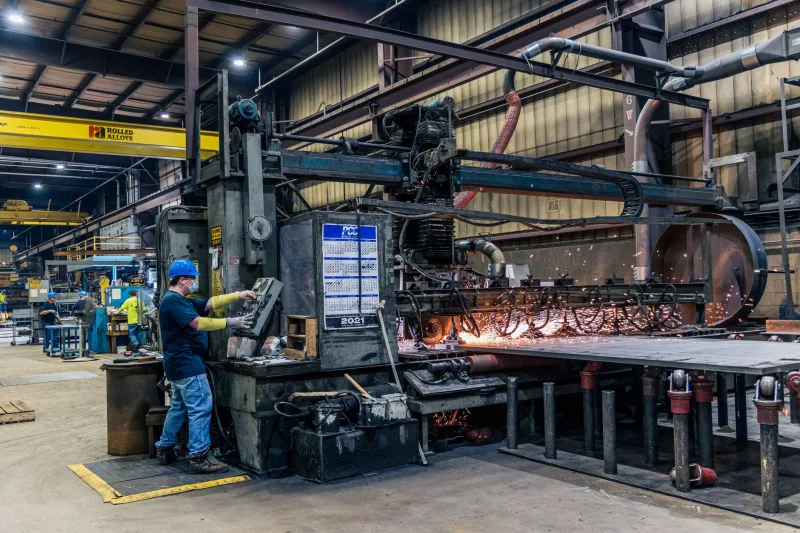
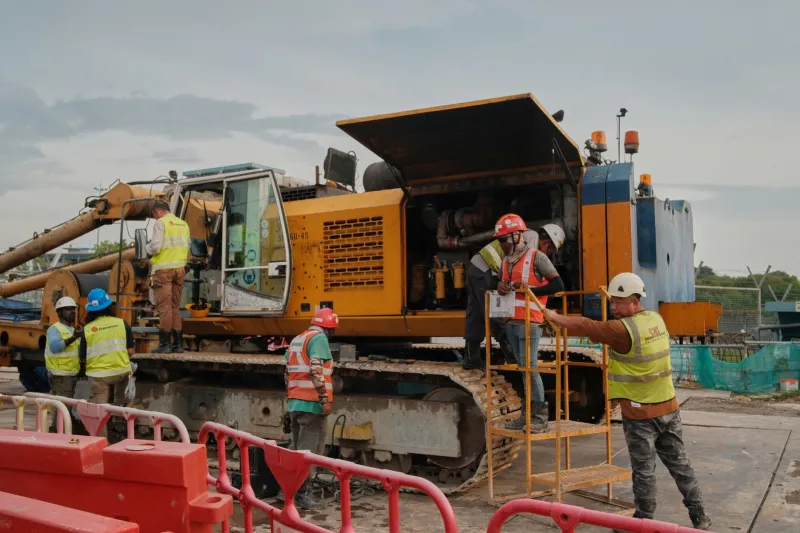
Prime Time for the Overhaul: Finding the Financial Window Where Reconstruction Outperforms Both New Iron and Neglect
Every fleet manager eventually confronts the same uncomfortable arithmetic: the machine is aging, repair costs are climbing, and someone in accounting is asking whether it's time to buy new. The instinct is often binary—either run the equipment until it fails or write the check for a replacement. Both choices, pursued without discipline, tend to destroy value.
There is a third path. For a significant portion of the heavy equipment operating in American manufacturing and construction today, a carefully timed, comprehensive overhaul represents the highest-return option available. The challenge is recognizing when that window opens—and acting before it closes.
Why the Binary Thinking Fails
The run-to-failure strategy carries an appeal rooted in simplicity: spend nothing until the machine stops, then decide. In practice, it extracts compounding penalties. As components degrade, secondary systems absorb additional stress. Hydraulic contamination accelerates cylinder wear. Misaligned drivetrain components load bearings beyond design tolerances. By the time a failure event forces a decision, the damage has often spread well beyond the originating fault—turning a manageable repair into a parts-intensive reconstruction at the worst possible moment, often mid-project or mid-production cycle.
The new-purchase reflex carries its own costs. Current equipment prices remain elevated across most categories, lead times for purpose-built or specialized units stretch into months, and the depreciation curve on new iron is steepest in the first years of ownership. For operations where the existing platform is structurally sound and operationally appropriate, replacing it can mean paying a significant premium to solve a problem that targeted investment would have resolved at a fraction of the cost.
Defining the Overhaul Window
The high-return zone for a comprehensive overhaul is not defined by calendar age alone. It is defined by the convergence of three conditions: sufficient remaining structural life in the machine's frame and primary chassis, accumulated wear in major rotating and hydraulic components that has reached the threshold of economic replacement, and a total reconstruction cost that falls meaningfully below the acquisition cost of a comparable replacement unit.
For most equipment classes, this window tends to open between 40 and 65 percent of estimated service life—measured in machine hours rather than years. A large excavator rated for 20,000 hours of productive service, for example, may enter the overhaul window somewhere between 8,000 and 13,000 hours. A mid-size industrial compressor or diesel-powered generator set follows different curves but obeys the same underlying logic.
Below that threshold, individual component replacements typically suffice. Above it, deferred maintenance has often cascaded into systemic wear that makes piecemeal repair economically irrational.
What a Comprehensive Overhaul Actually Covers
A true mid-life overhaul is not an extended service interval. It is a structured reconstruction of the machine's highest-wear systems, executed with the intent of restoring performance to near-original specifications while addressing known design limitations.
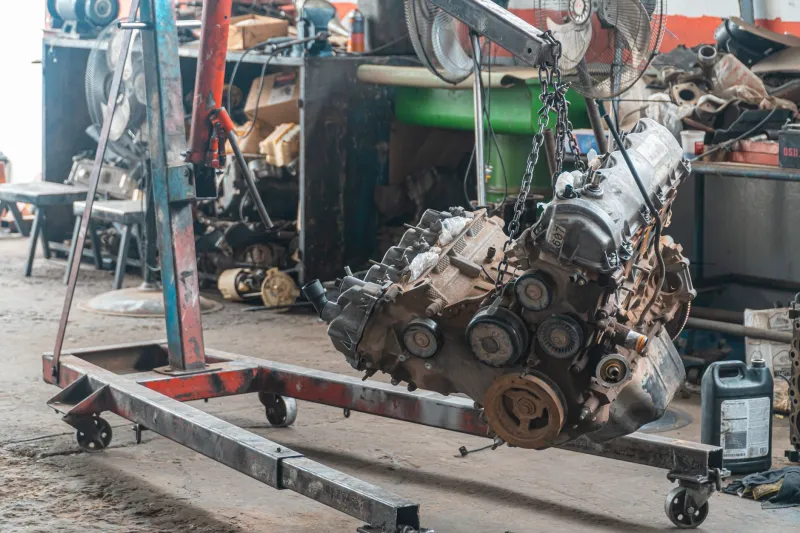
Typically, this encompasses engine or prime mover rebuild or replacement, hydraulic pump and motor reconditioning, cylinder re-sleeving or replacement, transmission and final drive disassembly and inspection, electrical system audit and harness replacement where degraded, and undercarriage or structural frame inspection with targeted reinforcement.
On equipment where it is applicable, the overhaul window also represents the optimal moment to integrate control system modernization—replacing aging analog controls with programmable logic systems, adding telematics capability, or upgrading operator interfaces. These additions extend functional relevance without the cost of a new platform.
Case Illustrations Across Equipment Classes
Crawler Dozers: A 300-horsepower crawler dozer with 11,000 hours on the meter and a current replacement cost in the $450,000 to $550,000 range can often be comprehensively overhauled—engine, final drives, undercarriage, hydraulics—for $90,000 to $140,000, depending on parts sourcing and labor market. The resulting machine carries a refreshed component life of 8,000 to 12,000 additional hours. The financial case is straightforward when the frame is sound and the application hasn't changed.
Industrial Air Compressors: Rotary screw compressors serving manufacturing facilities represent a different but equally compelling case. Units with degraded airends, worn separator systems, and aging control packages frequently cost 30 to 50 percent of new-unit price to fully rebuild—with rebuilt performance matching or exceeding factory specifications when quality components are used. Given that replacement units often carry 16- to 24-week lead times in current market conditions, the operational continuity argument reinforces the financial one.
Wheel Loaders: Mid-size wheel loaders in the 3- to 5-cubic-yard class are among the most frequently overhauled equipment categories in construction and aggregate operations. The powertrain and axle assemblies on these machines are well-understood, rebuild parts are widely available through both OEM and aftermarket channels, and the structural frames on major-brand units are engineered with substantial service life margins. A thorough overhaul at the 10,000- to 14,000-hour mark routinely delivers another productive decade.
Reading the Signals Before the Window Closes
Procurement and maintenance teams should monitor several leading indicators that suggest a machine is approaching the overhaul window. Increasing oil consumption in the engine or hydraulic system, rising coolant temperatures under standard load conditions, growing frequency of minor repairs across multiple unrelated systems, and declining cycle times or output efficiency are all early markers.
The critical discipline is separating these signals from normal wear management—which is handled through routine maintenance—and recognizing when the pattern reflects systemic aging that only a comprehensive intervention will address.
Delaying past the window is the more common error. Once a machine has accumulated damage across multiple major systems, the cost of reconstruction begins to approach replacement cost, and the financial argument for the overhaul collapses. At that point, the run-to-failure or replace decision genuinely becomes the right one.
Building the Investment Case
For operations that need to justify the overhaul expenditure internally, the financial model is relatively straightforward. Compare the fully loaded cost of a comprehensive rebuild—parts, labor, downtime, and any modernization additions—against the all-in cost of replacement, including acquisition price, delivery, commissioning, financing charges, and the accelerated depreciation on a new asset.
Then factor in operational continuity. A machine your operators know, maintained by a service team familiar with its history, rebuilt with quality components, and returned to service in weeks rather than months, carries value that doesn't always appear on a spreadsheet but is very real in a production environment.
The rebuild sweet spot is not a myth. It is a financial reality that rewards the operators and procurement teams disciplined enough to find it.