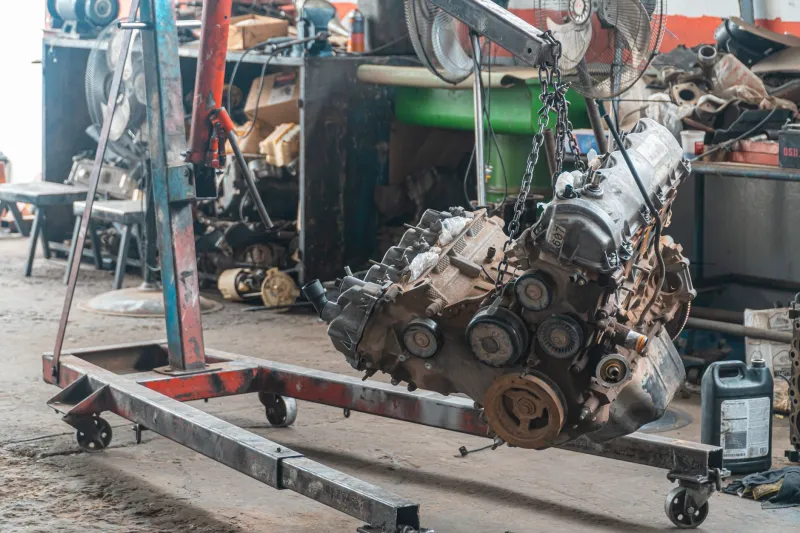
Winter Storage Wrecks Spring Budgets: Seven Errors That Turn Idle Machines Into Repair Orders
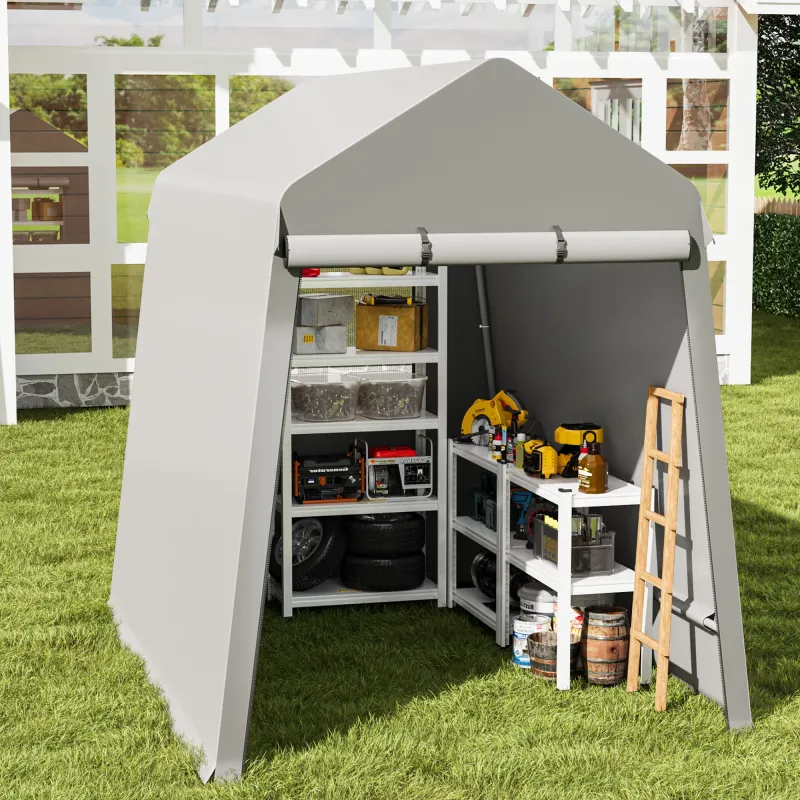
Photo: equipment storage shed winter machines covered tarps, via i5.walmartimages.com
The Expensive Season Nobody Works
A machine that sits from November to March is not a machine that is safe. It is a machine that is quietly deteriorating — fuel souring, seals drying, batteries sulfating, and rodents nesting in wiring harnesses. Operations across the Midwest and Northeast collectively spend millions each April repairing damage that cost almost nothing to prevent in October. Below are the seven mistakes we encounter most often, ranked roughly by the repair bills they generate.
Mistake 1: Letting Fuel Sit Untreated
Diesel begins degrading within weeks, and ethanol-blended gasoline absorbs moisture that leads to phase separation and corrosion. Untreated fuel systems produce clogged filters, gummed injectors, and in bad cases, damaged injection pumps.
Typical repair bill: $500–$5,000 depending on injection system damage. Prevention: Fill tanks nearly full (reducing condensation space), add a quality fuel stabilizer, and run the machine for ten minutes to circulate treated fuel through the entire system. For diesel, consider a biocide in regions with humid winters.
Mistake 2: Ignoring Humidity and Condensation
Temperature swings in unheated sheds drive condensation into cylinders, bearings, and electrical connections. The result is rust on cylinder rods — which then destroys seals the first time the machine works.
Typical repair bill: $1,000–$8,000 for cylinder resealing or rod rechroming. Prevention: Retract cylinders where possible, coat exposed rods with rust inhibitor or a smear of grease, and use a breathable machine cover rather than a sealed tarp that traps moisture.
Mistake 3: Leaving Batteries Connected
Parasitic draws from controllers and radios drain batteries over weeks, and a fully discharged lead-acid battery sulfates and may never hold a full charge again. Worse, a dead battery means an unheated block in cold climates — a cracked engine block is the nightmare scenario.
Typical repair bill: $150–$300 for a battery; $8,000+ for a cracked block. Prevention: Disconnect batteries or connect a maintenance-mode trickle charger. Better yet, remove batteries to a heated space. Ensure engine block heaters are functional before the first hard freeze.
Mistake 4: Skipping Fluid Checks Before Shutdown
Storing an engine with contaminated oil means corrosive combustion byproducts sit against bearings and cylinder walls all winter. Old coolant without adequate freeze protection can crack the block outright.
Typical repair bill: $200 for an oil change versus $10,000+ for engine damage. Prevention: Change oil and filters before storage, test coolant with a hydrometer and top off with the correct freeze protection for your climate zone, and top off fuel and hydraulic reservoirs to minimize condensation space.
Mistake 5: Overlooking Tire and Track Care
Machines parked on flat tires for months develop flat spots and sidewall cracking. Track machines left on frozen, uneven ground can develop track misalignment and undercarriage corrosion.
Typical repair bill: $400–$2,500 per tire; undercarriage repairs escalate from there. Prevention: Inflate tires to the maximum sidewall pressure for storage, park on wooden planks or gravel pads rather than bare frozen ground, and if possible, rotate machines a quarter-turn mid-winter.
Mistake 6: Ignoring Pest Intrusion
Mice and squirrels view wiring harnesses, air filters, and hydraulic hoses as nesting material. Chewed wiring is among the most frustrating springtime discoveries — intermittent electrical faults that take hours to trace.
Typical repair bill: $300–$3,000 for harness repair. Prevention: Seal intake and exhaust openings with tape or mesh, place deterrents in cabs and engine compartments, and eliminate nearby food sources in the storage building.
Mistake 7: Storing Without a Written Checklist
The single most common root cause behind all of the above is inconsistency — the right steps done on some machines and forgotten on others. A one-page storage checklist, completed and signed for every machine, converts institutional knowledge into repeatable practice.
Prevention: Build the checklist once, laminate it, and make completion part of your winterization workflow. Include the date, machine hours, and technician initials.
The Arithmetic of Prevention
Total cost of proper storage for a typical machine: $100–$300 in materials and roughly two hours of labor. Total cost of the average spring repair from neglected storage: often ten to fifty times that figure, plus the downtime during the season when every machine needs to be earning. Storage season is when smart operations protect the investments they spent all year working — and when New India Machinery's parts counter is best positioned to help you stock the stabilizers, coolant, and filters that make spring start-up uneventful.