Diagnosing by Decibel: How Veteran Operators Hear Equipment Failures Weeks Before Sensors Do
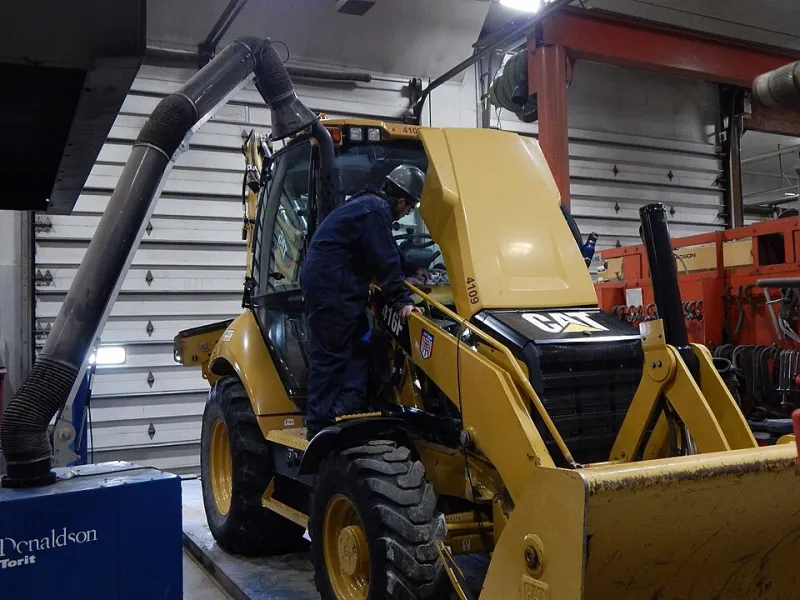
Photo: Forest Service - Northern Region, Public domain, via Wikimedia Commons
The First Fault Code Is Often the Last Warning
By the time a modern control system logs a diagnostic trouble code, the failure it reports has usually been developing for weeks. Bearings don't seize overnight. Gear teeth don't shear without preamble. Hydraulic pumps don't cavitate without a soundtrack. What separates a $400 bearing replacement from a $40,000 catastrophic drivetrain failure is often nothing more than whether someone on the floor recognized the sound and acted on it.
On American job sites and factory floors, where fleets are aging and technician headcount keeps shrinking, the human ear remains one of the most underutilized diagnostic instruments in heavy industry. This article is a field guide to using it.
A Practical Audio Guide to Warning Sounds
Grinding or rumbling that tracks shaft speed. A deep, rolling growl — often described as a truck driving on gravel — that rises and falls with RPM rather than load is the classic signature of rolling element bearing wear. Spalling on the raceway produces a periodic impact you can sometimes feel through a hand on the housing. Expect eventual seizure if it's ignored.
Whining that climbs with speed under load. Gear mesh whine that intensifies as hydraulic pressure or drivetrain load increases suggests gear tooth wear, misalignment, or insufficient backlash. A new note that wasn't there last month deserves a borescope inspection before the gearbox lets you know in a more expensive way.
Squealing on startup. Belt slip, dry bearings, or a failing tensioner. Brief chirps at cold start are common and often benign; a sustained shriek that persists once the machine warms up is not.
Knocking or hammering from the hydraulic system. A rhythmic banging, especially during cold starts, points to aeration or cavitation — air or vapor bubbles collapsing in the pump. Left alone, cavitation erodes pump internals and contaminates the entire circuit with metal particles.
Hiss that doesn't stop. Continuous air or vapor hiss at rest signals a compressed air leak, a failing seal, or an overheating component venting pressure. Any hiss near a hydraulic fitting warrants an immediate lockout.
The smell test. Acrid, burnt-odors from brakes, clutches, or windings; sweet coolant smells from heater cores; the sharp ozone scent of overheating electrical insulation. Smell is a legitimate diagnostic channel, and operators should be encouraged to report it without embarrassment.
Why Newer Operators Don't Hear What Veterans Hear
The skills gap in heavy equipment maintenance is well documented, but the acoustic gap receives less attention. A technician with twenty years on the floor has built a mental library of baseline machine sounds — and more importantly, a sensitivity to change. That baseline is trainable.
Practical steps for operations looking to institutionalize listening:
- Record baselines. Use a smartphone to capture normal operating sound at defined points — idle, working RPM, cycle transitions — for each critical machine. New hires compare against these references.
- Run 'quiet start' checks. A brief window at shift start with radios off and attachments stowed lets operators hear the machine before ambient noise masks it.
- Reward the report, not just the repair. Operators who flag a noise early should be recognized even when the finding turns out minor. Punishing false alarms guarantees the real warning goes unreported.
- Pair veterans with rookies. Deliberate ride-alongs where the senior tech narrates what they're hearing transfer knowledge no manual contains.
When Sound Means Stop
Some audible symptoms should never wait for the next scheduled service interval. Pull the equipment immediately when you hear:
- Sudden metallic banging from an engine or gearbox
- A change in sound accompanied by smoke, burning odor, or visible heat
- Hydraulic squeal with a simultaneous drop in cycle speed (cavitation in progress)
- Any grinding from a brake or final drive
The cost of a day of downtime for diagnosis is trivial against the cost of a seized final drive, a thrown rod, or a workplace injury. A machine that sounds wrong is telling you something; the only question is whether you listen now or pay later.