New India Machinery Heavy Equipment & Parts for American Industry

New India Machinery

Heavy Equipment & Parts for American Industry

Latest Articles

Penny-Wise, Fleet-Foolish: The True Cost of Counterfeit and Budget Parts in Heavy Equipment Operations
Buyer's Guide

Penny-Wise, Fleet-Foolish: The True Cost of Counterfeit and Budget Parts in Heavy Equipment Operations

The appeal of discounted aftermarket components is understandable in a cost-pressured industry, but procurement managers who chase the lowest unit price on critical parts are frequently absorbing losses that dwarf the initial savings. From catastrophic drivetrain failures to voided warranties and litigation exposure, the hidden toll of substandard components demands a more rigorous purchasing calculus. This guide examines the real mechanics of parts-related ROI destruction—and how to protect aga

Fifty Standards, Zero Consensus: How Fragmented State Certification Rules Are Grinding Heavy Equipment Operations to a Halt
Industry Analysis

Fifty Standards, Zero Consensus: How Fragmented State Certification Rules Are Grinding Heavy Equipment Operations to a Halt

Across the United States, heavy equipment operators and fleet managers are navigating a labyrinth of conflicting state licensing requirements, manufacturer recommendations, and industry standards that rarely align. The resulting compliance burden is more than an administrative inconvenience — it is a measurable drag on productivity, hiring, and operational continuity. This analysis examines why standardization efforts continue to stall and what the industry can realistically do about it.

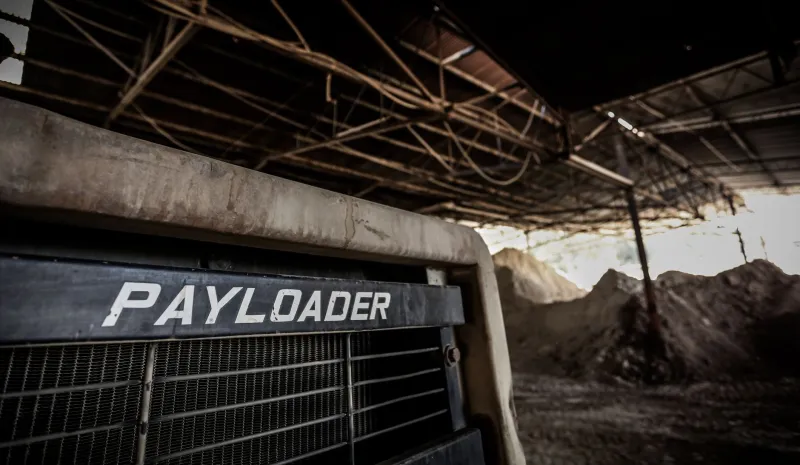
When the Machine Says No: Confronting Payload Limits on America's Aging Heavy Equipment Fleet
Industry Analysis

When the Machine Says No: Confronting Payload Limits on America's Aging Heavy Equipment Fleet

Across American manufacturing and construction sites, decades-old heavy equipment is quietly reaching the boundaries of its original design specifications — while production demands show no sign of slowing. For industrial operators caught between aging iron and escalating workloads, the retrofit-versus-replace decision has never carried higher financial or safety stakes.

Lean to a Fault: How Just-In-Time Parts Strategies Are Leaving American Equipment Operators Exposed
Industry Analysis

Lean to a Fault: How Just-In-Time Parts Strategies Are Leaving American Equipment Operators Exposed

The just-in-time procurement model promised to eliminate waste and reduce carrying costs across American industrial operations — and for decades, it largely delivered. But in today's fractured supply environment, the same lean principles that once sharpened competitive edges are now cutting into uptime, revenue, and operational stability. This analysis examines where the model is breaking down and what operators can realistically do about it.

Drivetrain in Distress: How Transmission Component Shortages Are Straining Heavy Equipment Operations Across America
Industry Analysis

Drivetrain in Distress: How Transmission Component Shortages Are Straining Heavy Equipment Operations Across America

Transmission systems and drivetrain components have emerged as some of the most difficult parts to source in the heavy equipment sector, leaving distributors and end-users caught in extended lead-time cycles. Regional dealers are being forced to rethink procurement strategies from the ground up as traditional supply channels fail to keep pace with demand. Understanding where the vulnerabilities lie — and how to work around them — is now a core competency for any serious industrial buyer.

Wrenches Without Hands: The Deepening Technician Crisis Reshaping Heavy Equipment Service
Industry Analysis

Wrenches Without Hands: The Deepening Technician Crisis Reshaping Heavy Equipment Service

Equipment dealerships and service centers across the United States are confronting a workforce crisis that goes far deeper than simple hiring difficulty. A structural mismatch between certification pipelines, industry compensation norms, and the accelerating complexity of modern machinery is leaving service bays understaffed and customers waiting. Forward-thinking distributors are rewriting the playbook on recruitment, retention, and technical training—before the problem becomes irreversible.

Standing Ground: How Regional Equipment Distributors Are Outmaneuvering the Consolidation Wave
Industry Analysis

Standing Ground: How Regional Equipment Distributors Are Outmaneuvering the Consolidation Wave

Mega-mergers are redrawing the map of heavy equipment distribution across the United States, placing independent regional dealers under mounting competitive pressure. Yet a growing number of smaller distributors are discovering that scale alone does not win industrial buyers—and they are building defensible positions that national players struggle to replicate.

From Cost Center to Profit Driver: Building the Financial Case for Preventive Maintenance
Buyer's Guide

From Cost Center to Profit Driver: Building the Financial Case for Preventive Maintenance

Preventive maintenance is frequently dismissed as overhead by finance teams focused on immediate expenditures, yet the numbers tell a different story. This guide equips industrial buyers with concrete frameworks, real-world benchmarks, and presentation-ready tools to demonstrate that disciplined maintenance programs consistently outperform reactive repair strategies on every financial metric that matters.

Timing Is Everything: How Savvy Industrial Buyers Leverage Seasonal Equipment Cycles to Cut Costs and Secure Capacity
Buyer's Guide

Timing Is Everything: How Savvy Industrial Buyers Leverage Seasonal Equipment Cycles to Cut Costs and Secure Capacity

Predictable seasonal rhythms govern heavy equipment markets in ways that most buyers never fully exploit. Understanding when demand contracts — and when dealers are most motivated to move inventory — can translate directly into lower acquisition costs, better financing terms, and stronger equipment availability when peak season arrives. This guide breaks down the mechanics of seasonal cycles and offers a practical framework for timing capital decisions accordingly.

Channel Disruption: Navigating the New Landscape of Heavy Equipment Distribution — and Protecting Your Purchasing Position
Buyer's Guide

Channel Disruption: Navigating the New Landscape of Heavy Equipment Distribution — and Protecting Your Purchasing Position

The traditional dealer-centered model of heavy equipment distribution is under pressure as manufacturers pursue direct relationships with large industrial buyers and regional distributors scramble to redefine their value. Understanding where these channel dynamics are shifting — and where they are holding — gives procurement professionals meaningful leverage in price negotiations, service agreements, and parts supply arrangements.

Connected Iron: How Telematics and Real-Time Monitoring Are Rewriting the Economics of Heavy Equipment Fleets
Industry Analysis

Connected Iron: How Telematics and Real-Time Monitoring Are Rewriting the Economics of Heavy Equipment Fleets

IoT sensors and telematics platforms are fundamentally altering how American fleet managers operate heavy machinery, shifting maintenance from reactive guesswork to data-driven precision. The financial implications are substantial, but so are the implementation challenges facing operations of every size. This analysis examines where the technology stands, what it genuinely delivers, and which equipment categories are leading adoption across U.S. industry.

Plugged In or Left Behind? The Real Obstacles Slowing Electric Heavy Equipment Adoption Across American Industry
Industry Analysis

Plugged In or Left Behind? The Real Obstacles Slowing Electric Heavy Equipment Adoption Across American Industry

The promise of electric heavy equipment has generated significant attention across U.S. manufacturing and construction sectors, yet adoption rates remain stubbornly low. Beyond the familiar conversation about sticker prices, a more complex set of structural, operational, and regulatory obstacles is shaping the decisions of American industrial buyers. This analysis examines what is genuinely holding the industry back—and where early movers are already gaining ground.

Breaking the Parts Lock: How American Industrial Buyers Are Pushing Back Against OEM Pricing Power
Buyer's Guide

Breaking the Parts Lock: How American Industrial Buyers Are Pushing Back Against OEM Pricing Power

Original equipment manufacturers have long leveraged proprietary parts programs to maintain pricing control long after the initial equipment sale. Across U.S. manufacturing and construction, that dynamic is facing increasing pressure from independent suppliers, remanufactured components, and a buyer community that is growing more sophisticated about total cost of ownership. This guide examines the landscape of parts sourcing alternatives and offers a framework for making sound procurement decisi

Beyond the Fluid Change: How Next-Generation Hydraulic Technology Is Adding Years to Heavy Equipment Life
Industry Analysis

Beyond the Fluid Change: How Next-Generation Hydraulic Technology Is Adding Years to Heavy Equipment Life

Modern hydraulic fluid science has advanced far beyond simple lubrication, with synthetic formulations and intelligent condition monitoring transforming how U.S. manufacturers protect their most valuable machinery investments. Operations that have adopted these technologies are reporting measurable reductions in component wear, fewer unplanned shutdowns, and dramatically extended service intervals. This analysis examines the innovations driving that shift and what they mean for industrial buyers

Made in America, Again: What the Reshoring of Heavy Equipment Manufacturing Means for Industrial Buyers
Buyer's Guide

Made in America, Again: What the Reshoring of Heavy Equipment Manufacturing Means for Industrial Buyers

After years of offshoring, a measurable wave of heavy equipment manufacturing is returning to American soil, driven by supply chain disruptions, shifting trade policy, and renewed investment in domestic industrial capacity. For U.S. buyers of construction and manufacturing equipment, this trend carries real implications for availability, pricing, and lead times — some favorable, others requiring careful planning. This guide examines which equipment categories are leading the reshoring movement a

The Used Equipment Buyer's Playbook: A Rigorous Framework for Evaluating Pre-Owned Heavy Machinery
Buyer's Guide

The Used Equipment Buyer's Playbook: A Rigorous Framework for Evaluating Pre-Owned Heavy Machinery

Purchasing used heavy equipment can deliver substantial capital savings — or it can saddle an operation with a machine that consumes more in repairs than it ever returns in productivity. The difference between those two outcomes almost always comes down to the quality of the evaluation process before the purchase is made. This guide provides a structured, field-tested inspection framework for industrial and construction buyers navigating the pre-owned machinery market.

Closing the Operator Gap: How Workforce Training Is Reshaping Competitive Advantage in American Industry
Industry Analysis

Closing the Operator Gap: How Workforce Training Is Reshaping Competitive Advantage in American Industry

A deepening shortage of certified heavy equipment operators and qualified technicians is quietly straining U.S. manufacturing and construction operations from coast to coast. Companies that respond with structured training programs and apprenticeship partnerships are discovering that workforce development is no longer a human resources concern — it is a core business strategy. This analysis examines where the gap is widest, what leading organizations are doing about it, and how equipment supplie

The Silent Killer Inside Your Hydraulic System: Contamination Costs and How to Stop Them
Buyer's Guide

The Silent Killer Inside Your Hydraulic System: Contamination Costs and How to Stop Them

Contaminated hydraulic fluid is one of the most underestimated threats to heavy equipment longevity, quietly eroding components and inflating maintenance budgets across American manufacturing and construction operations. Understanding where contamination originates — and what it actually costs — is the first step toward protecting your machinery investment. This guide breaks down the sources, the financial impact, and the concrete steps operators can take starting today.

Stocking Smart: How U.S. Industrial Operations Are Rethinking Parts Inventory in an Era of Unpredictable Supply
Industry Analysis

Stocking Smart: How U.S. Industrial Operations Are Rethinking Parts Inventory in an Era of Unpredictable Supply

Supply chain disruptions have permanently altered the calculus of parts inventory management for American manufacturers and construction firms. Equipment managers are no longer simply choosing between lean and stocked shelves — they are building adaptive frameworks that balance carrying costs against the very real risk of extended lead times and unplanned downtime. This analysis examines where the industry stands today and what forward-thinking operations are doing differently.

Every Minute Counts: The True Financial Toll of Unplanned Equipment Downtime in U.S. Manufacturing
Industry Analysis

Every Minute Counts: The True Financial Toll of Unplanned Equipment Downtime in U.S. Manufacturing

Unplanned machinery downtime costs American manufacturers billions of dollars annually, yet many facilities continue to underestimate its cascading impact on operations, workforce productivity, and long-term competitiveness. From idle labor costs to missed delivery windows, the financial consequences extend far beyond the immediate repair bill. Understanding the full scope of these losses is the first step toward building a more resilient production environment.